
The Sacred Steps of the Apostle Paul in Athens and Corinth
1. Apostle Paul in Athens – The Confrontation with Human Wisdom
Having departed from Berea, the Apostle Paul was led by the Spirit to the heart of the ancient world—Athens, a city crowned with temples, filled with idols, and alive with philosophical debate. Though once the seat of human wisdom and philosophical brilliance, Athens was now a place where idolatry reigned, and hearts were far from the living God.
“Now while Paul waited for them at Athens, his spirit was stirred in him, when he saw the city wholly given to idolatry.” (Acts 17:16)
Paul walked through the marble streets of Athens, not as a tourist but as an ambassador of Christ, burdened by the spiritual blindness he witnessed. Daily, he reasoned in the marketplace (Agora) with Jews and Gentile seekers, sowing seeds of divine truth among hardened minds.
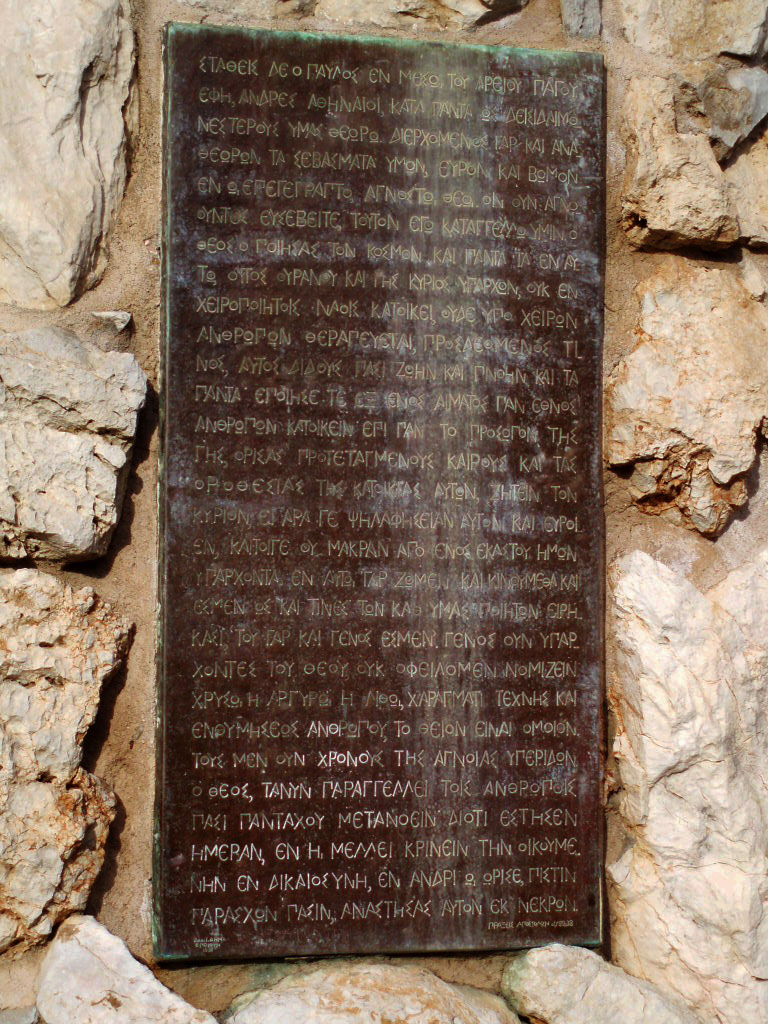
He was soon taken to the Areopagus (Mars Hill), a place where new ideas were welcomed but seldom embraced. Here, surrounded by statues and altars—one of which bore the inscription “To an Unknown God”—Paul lifted his voice not in condemnation, but in proclamation:
“Whom therefore ye ignorantly worship, Him declare I unto you.” (Acts 17:23)
He spoke of the Creator of all things, who “dwelleth not in temples made with hands” and “giveth to all life, and breath, and all things.” He boldly proclaimed the resurrection of Jesus Christ, a doctrine foreign and even laughable to many Athenians. Some mocked, others were curious, but a few believed—among them Dionysius the Areopagite and Damaris.
Thus, though Athens did not become a great center of Christian faith, a remnant was called out by grace—proof that even in the shadows of human intellect, the light of the Gospel could shine.
2. Apostle Paul in Corinth – Planting a Church in a City of Sin
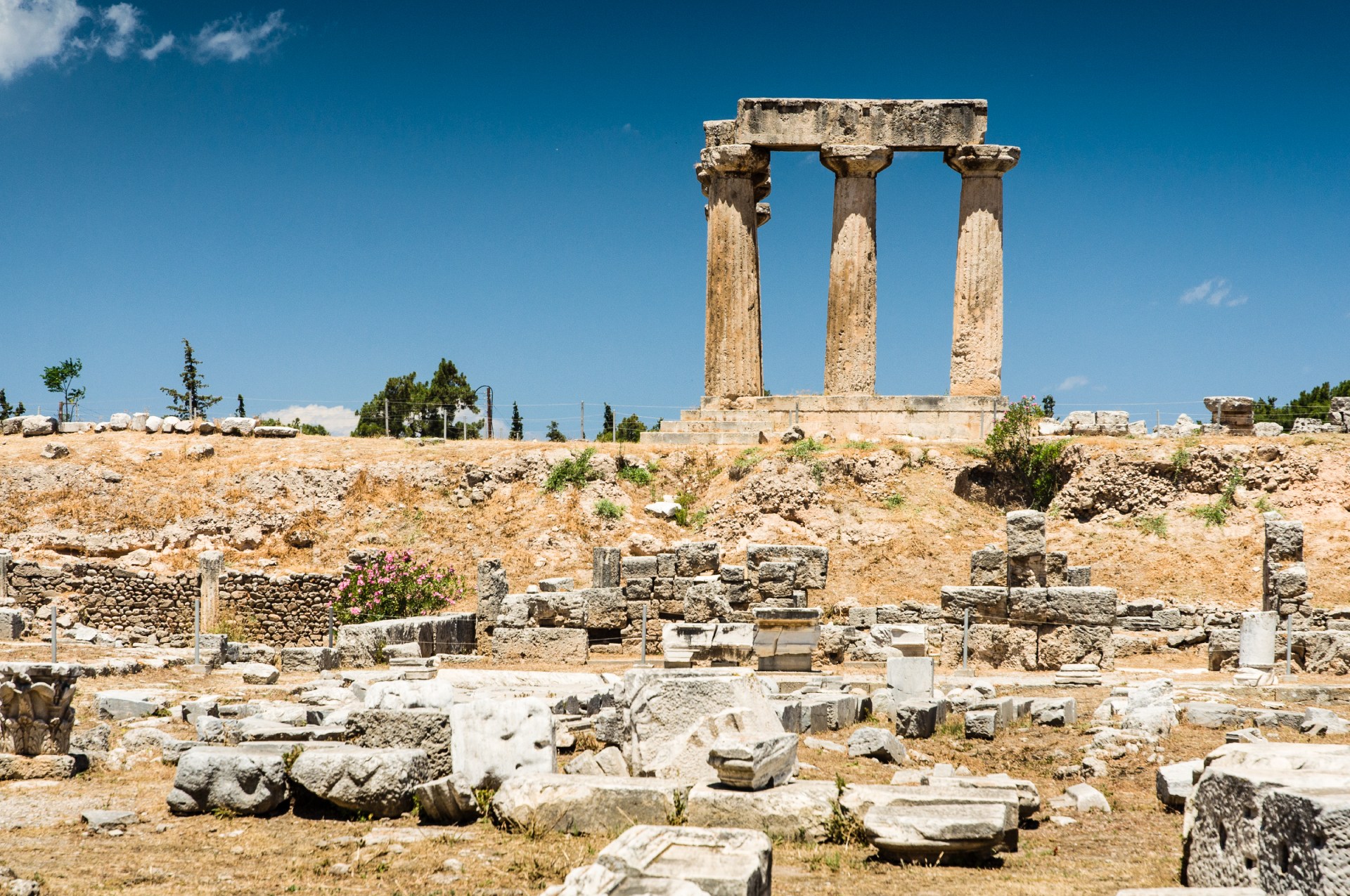
From the philosophical heights of Athens, Paul journeyed to Corinth, a city infamous for its moral decay, yet chosen by God to become a beacon of His redemptive power. Corinth was a bustling hub of trade, culture, and spiritual confusion—a city devoted to the goddess Aphrodite and known for its immorality and idolatry.
Yet Paul did not shrink back. In obedience to Christ, he settled in Corinth for a year and six months, planting one of the earliest and most vibrant churches of the New Testament era.
“And he continued there a year and six months, teaching the word of God among them.” (Acts 18:11)
He found companions in Aquila and Priscilla, fellow tentmakers and faithful servants of Christ. Working by day and preaching by Sabbath, Paul reasoned in the synagogue, persuading both Jews and Greeks. When opposition arose, he turned to the Gentiles, declaring:
“Your blood be upon your own heads; I am clean: from henceforth I will go unto the Gentiles.” (Acts 18:6)
God, seeing Paul’s weariness and trials, spoke to him in a vision, saying:
“Be not afraid, but speak, and hold not thy peace: For I am with thee, and no man shall set on thee to hurt thee: for I have much people in this city.” (Acts 18:9–10)
With this divine encouragement, Paul pressed on. Even when dragged before Gallio, the Roman proconsul, the Lord defended His servant, and the case was dismissed, preserving the young church’s freedom.
The Corinthian church, though troubled in later years, would receive two epistles from Paul, filled with apostolic instruction, correction, and deep theological truths—including the great chapter of love (1 Corinthians 13) and the glorious teaching of the resurrection (1 Corinthians 15).
Spiritual Reflection
Paul’s journey from Athens to Corinth shows the Gospel’s power to confront both prideful intellect and sinful indulgence. In Athens, the seed was planted among philosophers; in Corinth, a church was born amidst corruption.
In both places, Paul was led by the Spirit, empowered by grace, and strengthened by Christ, preaching not himself but “Jesus Christ, and Him crucified.”
(1 Corinthians 2:2)
Pricing
- From € 400 all day (7-8h)