

Meteora – Kalampaka
One Day in Meteora: A Journey Through Faith and Stone
Just above the Thessalian plain, rising like silent sentinels from the earth, the monolithic rock pillars of Meteora shelter one of the most remarkable monastic complexes in the world. Located beside the town of Kalambaka, this UNESCO World Heritage Site offers a one-day journey through history, faith, and human perseverance.
The History of Meteora
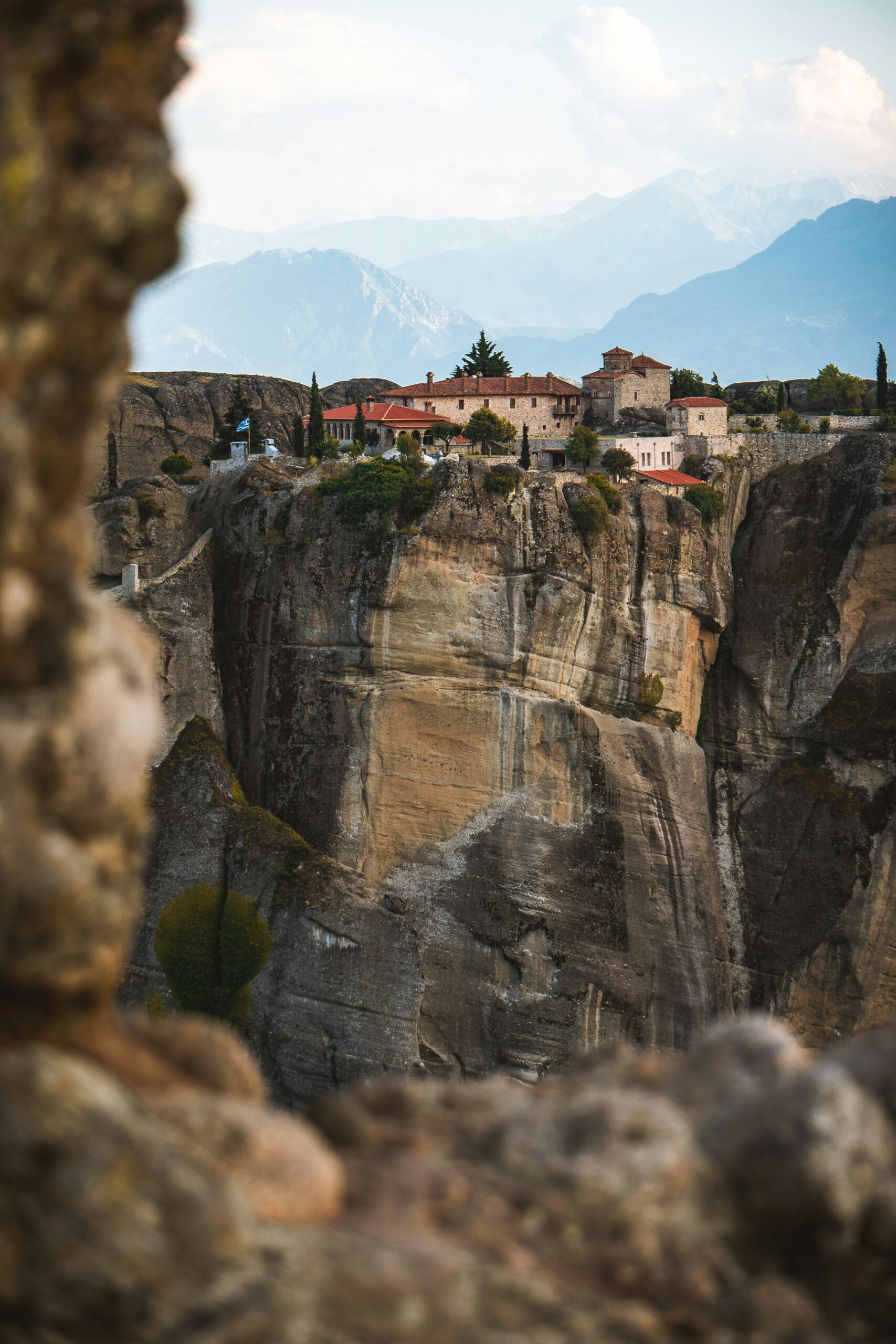
The name “Meteora” means “suspended in the air”—an apt description of the monasteries that appear to hover atop these immense natural towers. Formed over 60 million years ago by geological upheaval, the Meteora rocks became a refuge for hermit monks as early as the 9th century.
By the 14th century, the first formal monasteries were built, offering isolation from Ottoman occupation and a path toward spiritual elevation. At their peak, there were over 20 monasteries—today, six are still active, preserved as symbols of Orthodox Christian devotion and architectural genius.
Morning: Visiting the Living Testaments of Faith
Begin your day with visits to some of Meteora’s most iconic monasteries. Each one reveals centuries of religious tradition, art, and ascetic life.
The Holy Monastery of Great Meteoron
Founded by St. Athanasios the Meteorite in the mid-14th century, it is the largest and most historically significant. Its frescoes, old manuscripts, and relics immerse visitors in the spiritual history of Orthodoxy.Varlaam Monastery
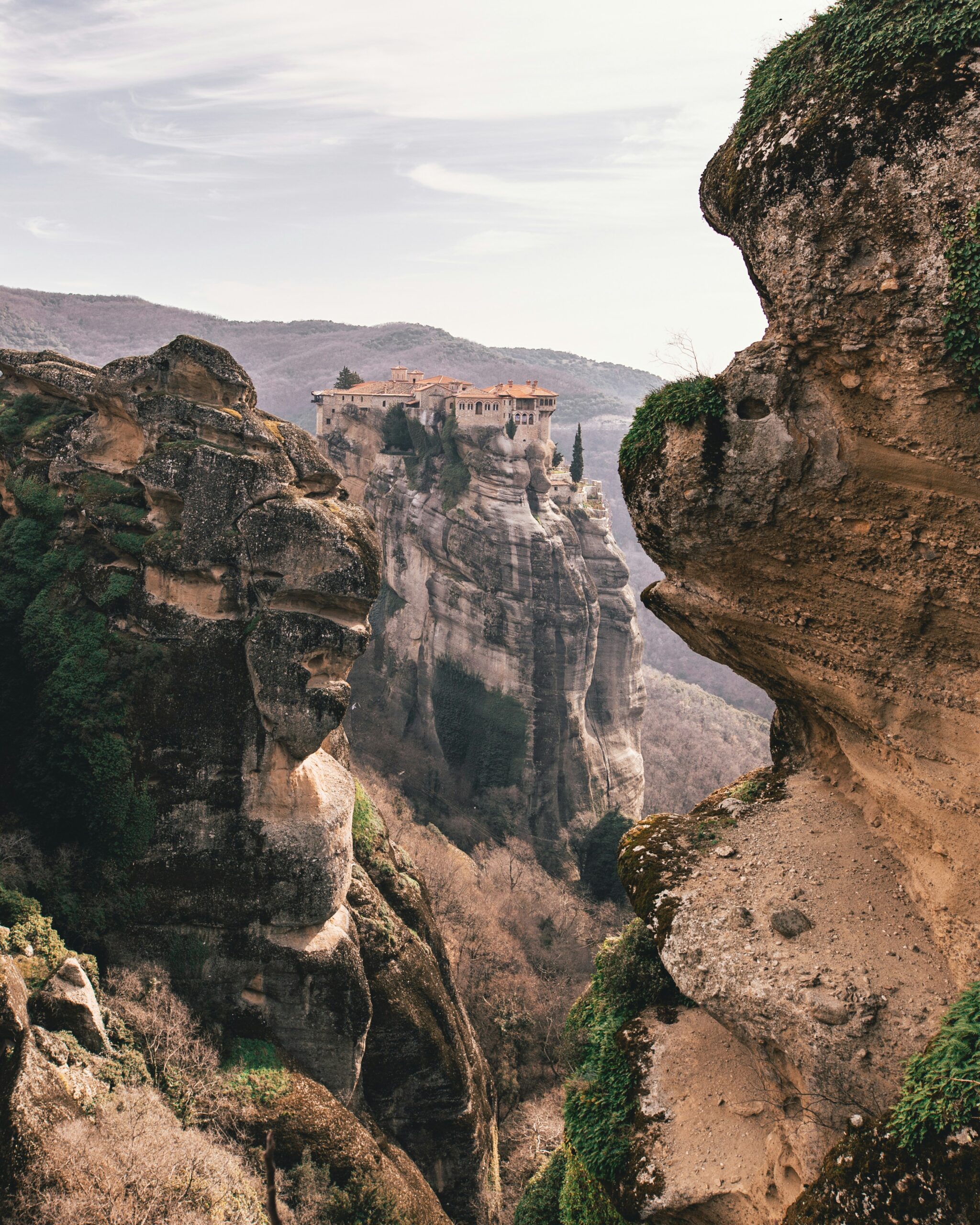
Built by the brothers Theophanes and Nektarios in 1517, it features impressive domes, a wooden pulley system once used for transport, and a peaceful courtyard.Rousanou Monastery
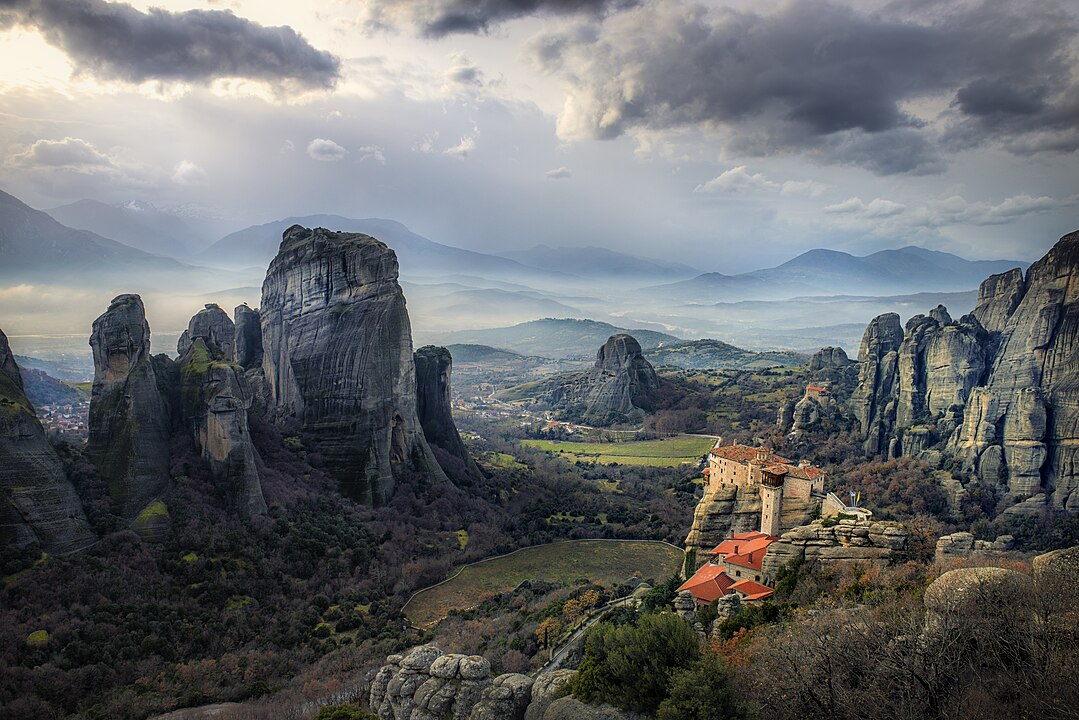
Established in the 16th century and now run by a small community of nuns, this monastery is known for its warm welcome and beautiful gardens.
Climbing the steps to each monastery is a symbolic journey—rising from the material to the spiritual. Modest clothing is required; women are typically asked to wear long skirts and men long trousers.
Midday: Rest and Local Hospitality
Return to Kalambaka or nearby Kastraki for lunch. These towns at the foot of Meteora have served as gateways for pilgrims for centuries, and the hospitality is still evident today.
Dine in a traditional taverna where you can sample traditional local cuisine with mouth watering aromas.
The food is as rooted in tradition as the stones above you.
Afternoon: The Silence of the Rocks
Spend the afternoon walking or driving the Meteora loop road, where ancient footpaths once guided monks in solitude. As the sun lowers, the rocks cast long shadows and the light turns golden. One of the most revered times of day, sunset at Meteora is a quiet yet transcendent experience.
Favorite sunset spots include:
Psaropetra Viewpoint, ideal for panoramic views
The overlook near Rousanou Monastery, where you see layers of rock and sky blend in harmony
Historical Travel Tips
Learn some background on Byzantine iconography to appreciate the art inside the churches
Visit the Byzantine Church of the Dormition of the Virgin in Kalambaka, dating back to the 10th century
Local museums offer insight into monastic manuscripts and folk traditions
Why Meteora Still Matters
Meteora is not just a marvel of natural beauty or a tourist destination—it’s a living monument to resilience, faith, and the human desire to rise above the everyday. In just one day, visitors can trace the footsteps of monks, admire centuries-old frescoes, and stand in awe before nature’s power and mankind’s devotion.
Pricing
- From € 650 all day (12-13h)